 Skip to the content
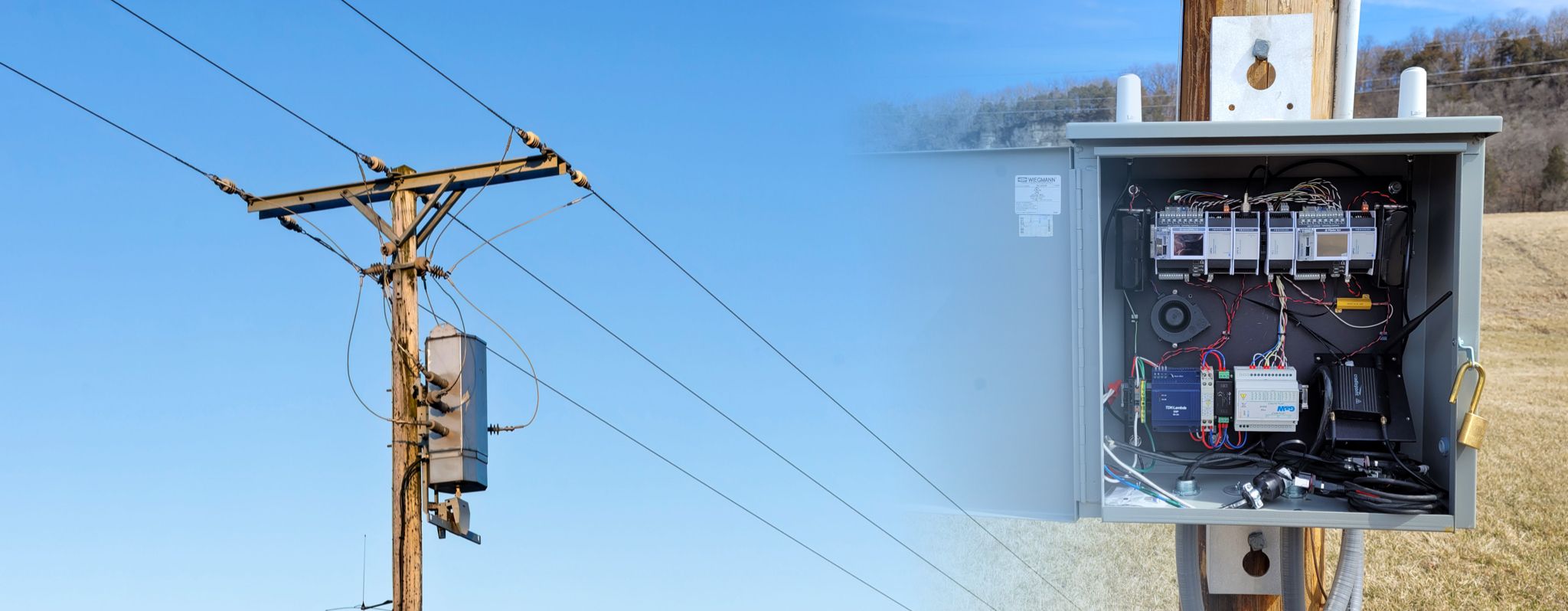
The way electricity moves across the distribution grid is changing. Distributed energy resources (DERs), including solar, battery storage and other inverter-based resources, are changing how electricity is generated and managed. Consumer demand and new generation sources are accelerating the use of these resources, but the increase in distributed, bidirectional power flows also creates new challenges for utilities managing infrastructure originally built around centralized generation and one-way electricity delivery.
As more DERs connect to the grid, utilities have to account for how they affect the electrical conditions around them. Identifying those impacts early is essential to maintaining reliable service.
Power quality is a critical part of that picture. In this article, we’ll examine the connection between DER growth and adaptive grid management, and why greater visibility into power quality can help utilities better respond to changing conditions at the grid edge.
Power Quality Is the Hidden Cost of DER Growth
As the use of DERs and inverter-based resources grows, utilities may see more power quality issues like:
- Harmonics
- Voltage fluctuations
- Flicker
- Less familiar issues like supraharmonics
- Disturbances and instability at the grid edge
These issues can be particularly challenging to identify when traditional monitoring does not provide enough visibility into what is happening at individual nodes and interconnection points.
Unfortunately, these power issues can contribute to various tangible problems with equipment, including premature failure, nuisance tripping, unplanned outages and costly corrective maintenance. For commercial and industrial customers, those problems can mean production losses and operational downtime, putting additional pressure on the utility-customer relationship.
Smart Grid Strategies Raise the Stakes
Utilities are increasingly using DERs as active participants in grid management. Flexible load management and demand response can help utilities adjust consumption as system conditions change, while a distributed energy resource management system (DERMS) can coordinate distributed resources across the network. Microgrid solutions, including a microgrid controller or microgrid control system, can similarly coordinate generation and storage.
These strategies give utilities more ways to manage a changing distribution system, but they also increase the importance of knowing what is happening on that system in the first place.
For example, if a utility is using a DER to support a feeder during high demand, it needs to understand the electrical conditions at that location. If power quality is deteriorating at the same time, the utility needs enough information to determine whether the DER is contributing to the problem, responding to an existing issue or operating independently of it.
That requires data utilities can trust, which is where smart grid sensors come in. These sensors must deliver reliable measurements as operating conditions change, making conditional accuracy an important consideration when evaluating the data that will inform grid-management decisions.
Without reliable measurements, utilities risk making decisions based on an incomplete or inaccurate understanding of conditions at the grid edge.
Adaptive Management Starts at the Grid Edge
Getting the right information means looking closer to where DERs and other distributed resources are connected.
Substation-level data remains valuable for understanding overall system conditions, but it may not tell the whole story of what is happening at specific feeders or points of connection. A utility could see normal conditions at the substation while a localized power quality issue develops farther downstream.
Rather, it’s high-resolution, PQube® 3 power quality analysis of localized events and trends — plus synchronized monitoring of distribution grid dynamics with microPMU-level accuracy — that provide actionable data at sub-system levels at the grid edge. This more detailed view of system behavior can help reveal disturbances that broader measurements may miss, making it easier to identify emerging threats and their potential sources.
This more localized view gives utilities a stronger basis for managing DERs and microgrids as part of the distribution system. Instead of simply knowing that a feeder or substation is experiencing changing conditions, utilities can gain more granular insights into what is happening where those changes are occurring.
How to Go from Visibility to Action
If monitoring is the first step, then the next is giving utilities a way to respond.
Once power quality issues are identified and expertly analyzed, targeted corrective solutions — including harmonic filters and power correction equipment — can help mitigate disturbances and support more stable operations.
Rather than treating power quality as a problem to troubleshoot after an outage or equipment failure, utilities can incorporate solutions into a proactive approach to grid stabilization.
Secure, on-premise or cloud-based analytics can make that approach scalable across a larger network. By tracking conditions over time and across multiple sites, utilities can see recurring issues, identify changes in system behavior and build a broader understanding of how DER adoption is affecting their power quality.
Managing What’s Next
DERs and microgrids are becoming an increasingly important part of the distribution system. As their role grows, utilities need a clearer understanding of how these resources affect power quality and grid stability.
That’s where Powerside is the partner of choice. We help utilities identify and address power quality challenges with solutions that measure, monitor and correct conditions across the grid. With the right insight and tools, utilities can take a more proactive approach to managing the changes happening at the grid edge.
Is your utility seeing the full power quality picture? Talk with a Powerside specialist today to assess your power quality exposure at the grid edge.