A major automotive company built an electric vehicle (EV) fast-charging station to serve a high-demand corridor between Los Angeles and the Bay Area of California. The station was experiencing power reliability issues — most notably erratic charging performance that left many cars stranded without power.
After examining the issue, the power utility determined the chargers were experiencing high levels of total harmonic distortion. This is a common byproduct of inverters used to convert AC to DC current.
The effect was compounded further by other energy sources on the grid — namely nearby solar farms. These additional electrical signals flowed through the power lines at multiples of the normal frequency of the grid, adding “noise” (or distortion) to the power supply and contributing to the inconsistent performance of the EV chargers. Given the automotive company’s desire to attract more motorists — and ultimately increase the number of people purchasing their EVs — they needed to ensure their charging station’s power quality was strong and, most importantly, reliable.
The Solution
The electric utility company turned to Powerside for advice. Powerside determined that while the harmonics generated from the fast chargers could be solved using a passive harmonic filter, an active harmonic filter in voltage control mode would solve the problem twofold — not only cleaning up the charging station’s power distortion, but mitigating the distortion coming in from other sources on the grid, too.
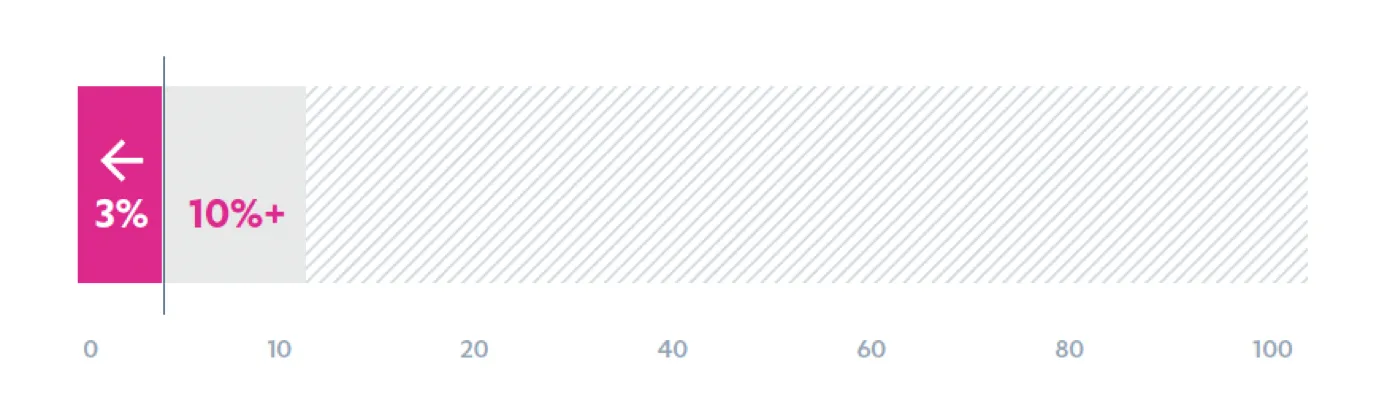
Figure 1 | The (THDv) graph data before and after the PowerAct Low Voltage Active Harmonic Filter installation.
Before correction, the total harmonic distortion voltage (THDv) spiked at over 10%. After the installation of the PowerAct Low Voltage Active Harmonic Filter,
Figure 2 | THDv levels falling below 3%.
THDv fell below 3%, helping to equalize the electrical signals and level out disruption-causing “noise.”
The Results
Turning to Powerside for power quality support helped the electric utility level out the distortion in their grid. And with the harmonic “noise” generated from both the charging stalls and nearby solar farms mitigated, the automotive company could continue to supply EV motorists with the charging they need. It is a win-win situation that benefited not only the companies involved, but also travelers and local citizens who depend on the reliability of the grid for their everyday electric needs.
As EVs continue to surge in popularity, utilities and charging suppliers will need to take control of power quality. Actively filtering out harmonics that cause disruptions is one way that Powerside can help customers meet power quality challenges head on.
Protect your essential systems from harmful electrical distortions that reduce power quality and damage equipment. Learn more about PowerAct Low Voltage Active Harmonic Filter today.
 Skip to the content